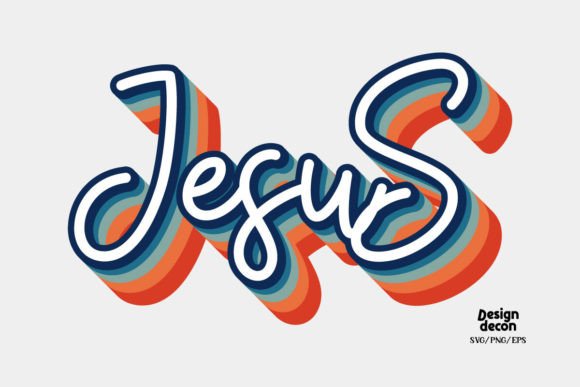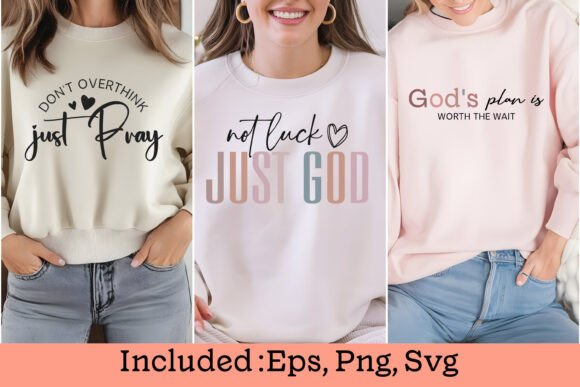
Jesus,Christian Svg,Faith Svg Design 03
As an embroidery designer and product reviewer, I’ve evaluated countless machine embroidery designs. Jesus,Christian Svg,Faith Svg Design 03 stands out for its thoughtful composition and spiritual symbolism. It’s a design that feels purposeful, with a clean layout and enough detail to make it meaningful without being overwhelming. Whether you're creating a custom embroidered tote bag or a personalized baby item, this design has potential—but it also requires careful consideration.
First Impressions: A Design That Speaks With Simplicity
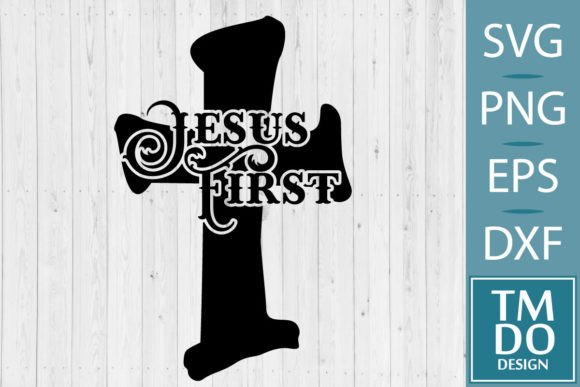
The first thing that catches your eye is the balance between simplicity and depth. The central image of a cross with a subtle background of religious text gives it a quiet elegance. It’s not overly ornate, but it carries weight. The use of negative space allows the design to breathe, which is crucial when working with small hoop sizes or intricate details. This makes it ideal for projects like embroidered patches, aprons, or even a simple sweatshirt design.
The overall mood is reverent and calming, which aligns well with its intended use in faith-based products. It’s a design that feels right at home on a handmade gift, a boutique product, or a small shop merchandise piece. However, it’s important to consider how the design translates across different fabric types and project scales.
Real-World Embroidery Performance: Where It Shines and Where It Needs Care
In real-life embroidery situations, Jesus,Christian Svg,Faith Svg Design 03 performs well on most standard fabrics. It works best on medium-weight cotton, linen, or woven materials where the stitch density can be controlled. The design includes a mix of satin stitches and fill stitches, which helps maintain clarity without becoming too dense. This makes it suitable for custom apparel, such as a tote bag design or a sweatshirt embroidery project.
However, there are some limitations. On thin or stretchy fabrics, the design may require additional stabilizer to prevent puckering or distortion. Similarly, on dark fabrics, the thread color contrast needs to be carefully chosen—light-colored threads might not show up well, while darker threads could overpower the delicate elements of the design.
For small hoop sizes, the design may need to be split into sections. If you’re planning to use it on a cap or a curved surface, you’ll want to test it first. The corners of the design are slightly detailed, so they might not translate perfectly if the hoop size is too restrictive.
Best Use Cases: Handmade Products That Carry Meaning
This design fits naturally into projects that emphasize personalization and sentiment. It’s perfect for a baby item, like a onesie or a blanket, where the message of faith can be both comforting and meaningful. For a holiday embroidery project, it could serve as a subtle yet powerful addition to a kitchen towel or a pillow cover.
Etsy sellers and craft business owners will find value in using this design for printable mockups or digital embroidery files. It’s a versatile asset that can be adapted for various products, from embroidered patches to personalized gifts. The design’s clarity makes it easy to scale, whether you're working on a small applique design or a larger commercial embroidery project.
When considering a small shop product, the design’s clean lines and recognizable symbols make it a strong candidate for brand consistency. It’s a design that can be used across multiple items, helping to create a cohesive look for a faith-based collection.
Where to Be Cautious: Potential Pitfalls and Limitations
There are a few areas where caution is needed. First, on textured fabrics, the design may not sit as smoothly as desired. If the fabric has a heavy weave or nap, the stitching might not lay flat, affecting the finished product’s appearance. This is especially true for baby clothes or items that require frequent washing.
Another consideration is the design’s tiny lettering. If the text is too small, it may not be legible after stitching, especially on smaller projects. Always test the design on scrap fabric before committing to a final product. Also, check whether the design works well in black and white mockups, as this can affect how it appears on different fabric backgrounds.
For commercial embroidery projects, ensure that the licensing terms allow for resale or redistribution. While the design itself is clear, the legal aspects of using it in a finished product should never be overlooked.
Design Notes for Embroidery Professionals
As a designer, my top recommendation is to always test the design on different fabric types and colors before using it in a client project. Check the stitch density to ensure it won’t cause fabric distortion or thread breakage. Confirm the hoop size required for the design, and adjust if necessary for smaller projects.
When working with clients, be transparent about the design’s limitations. For example, if the design is meant for a custom apparel piece, explain how it will look on different garment styles. This helps set expectations and ensures customer satisfaction.
For those selling digital embroidery files, include clear instructions on how to use the design effectively. Provide tips on thread color selection, stabilizer use, and fabric preparation. This adds value to the product and helps users achieve the best results.
Finally, remember that this design is more than just a visual element—it’s a symbol of faith. Treat it with care, and it will enhance your handmade products, personalized gifts, and craft business offerings in a meaningful way.